Bamiyan Cultural Centre, UNESCO
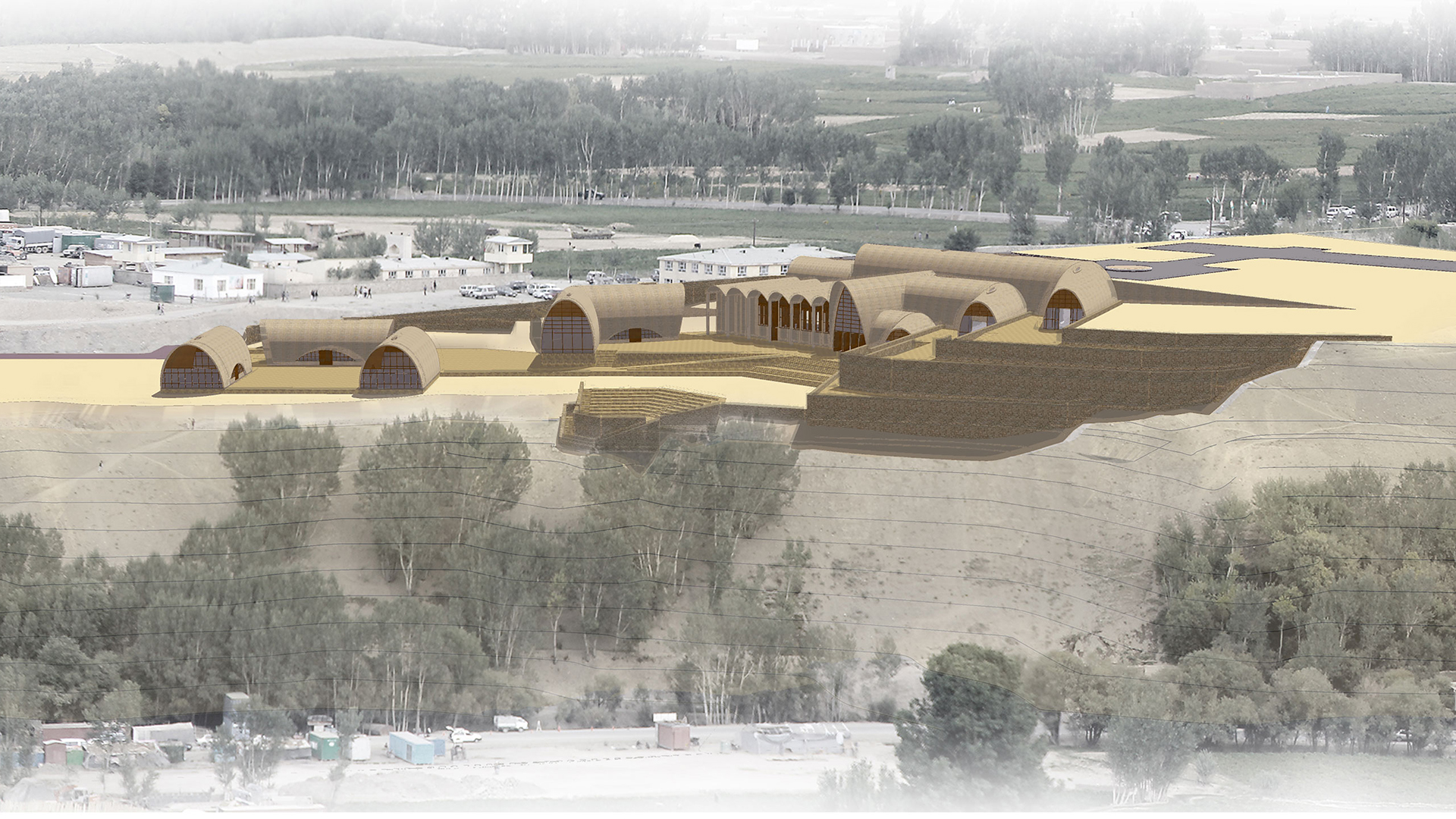
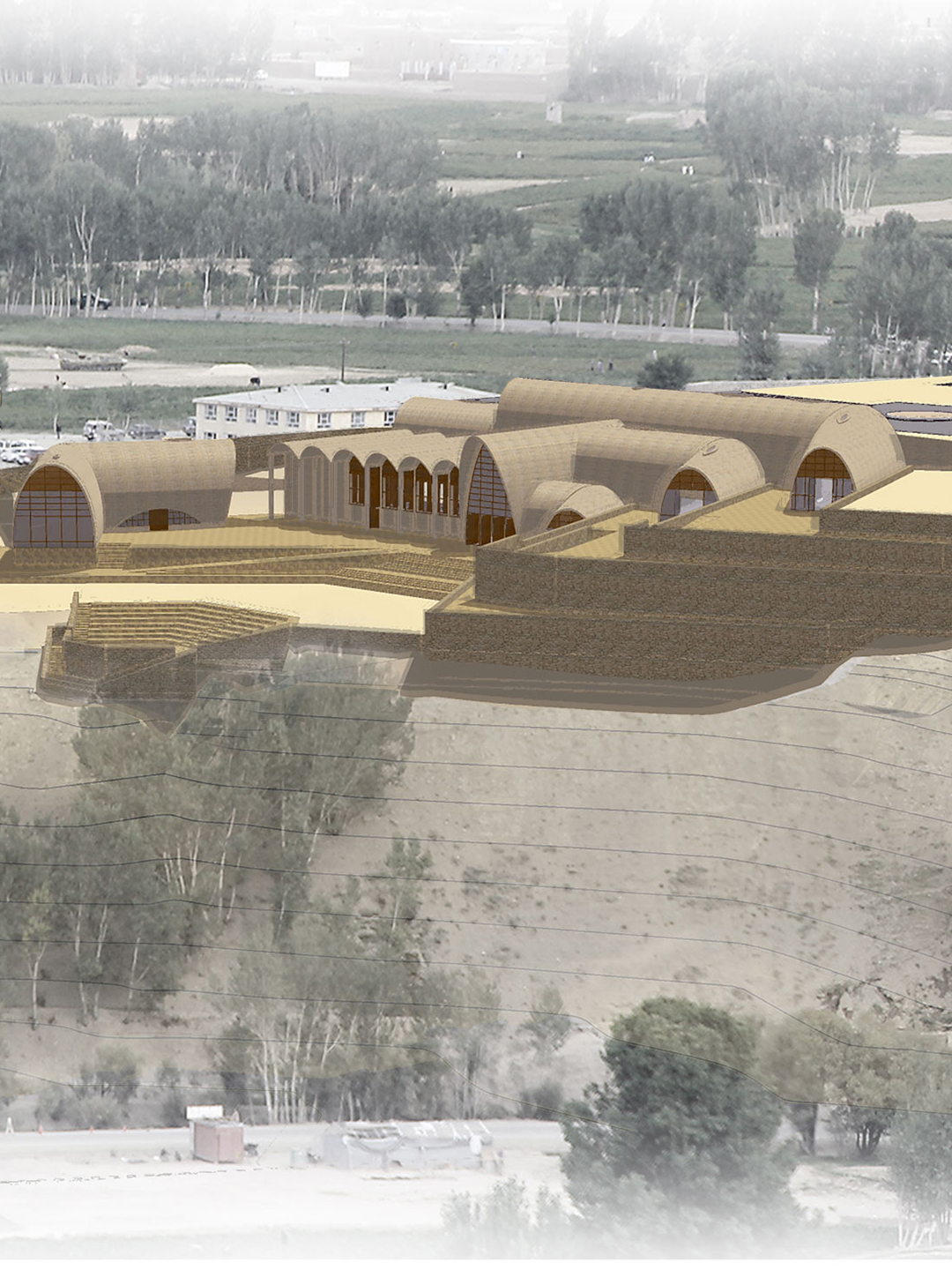
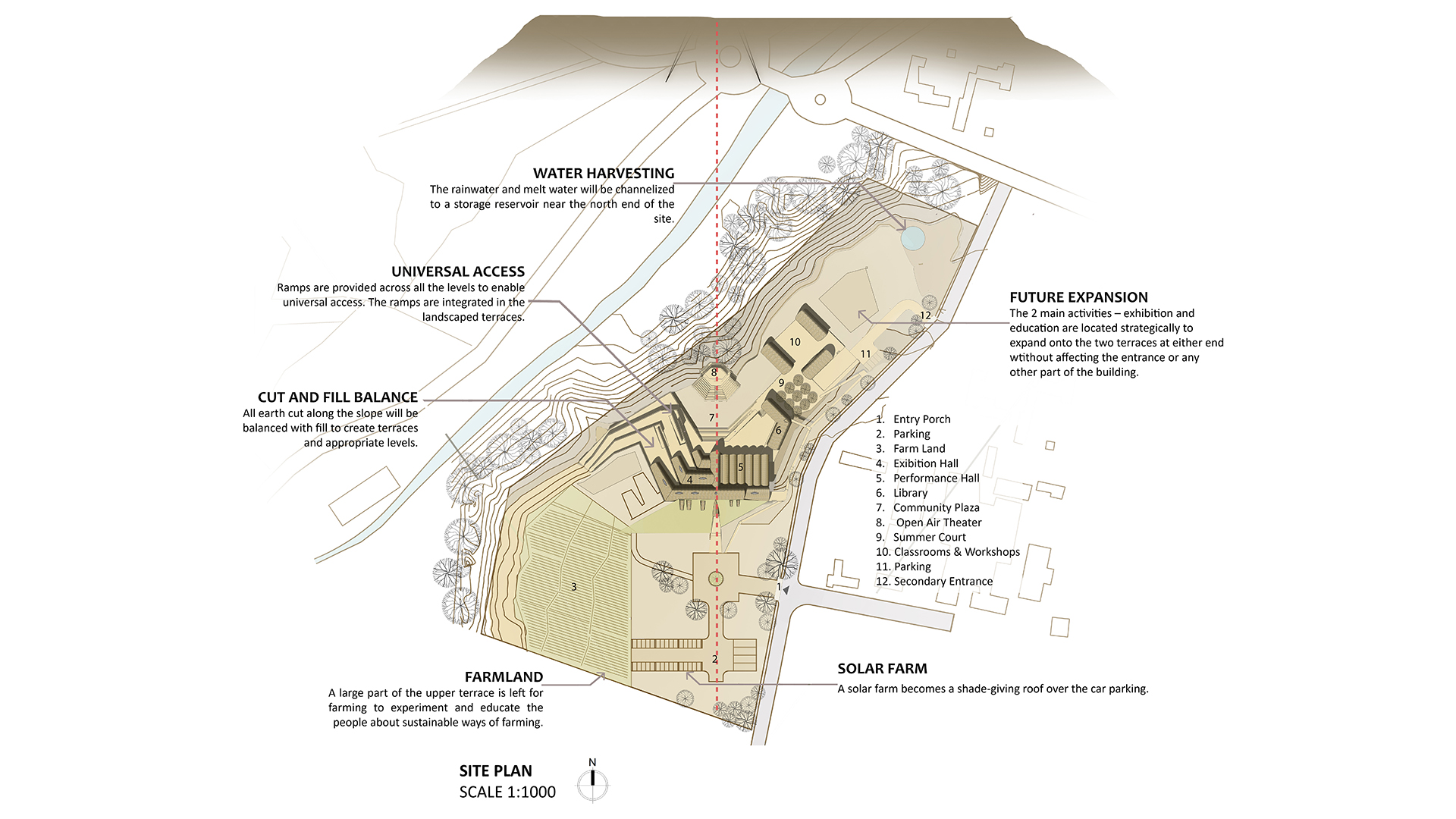
Designed to celebrate a crossroads of ancient civilizations, this cultural centre sits directly across from the historic 2000-year-old Buddha cliffs. The design leaves the flat areas free for local farming, instead neatly carving the campus into the middle of a steep, 10-meter drop to connect the site's upper and lower terraces.

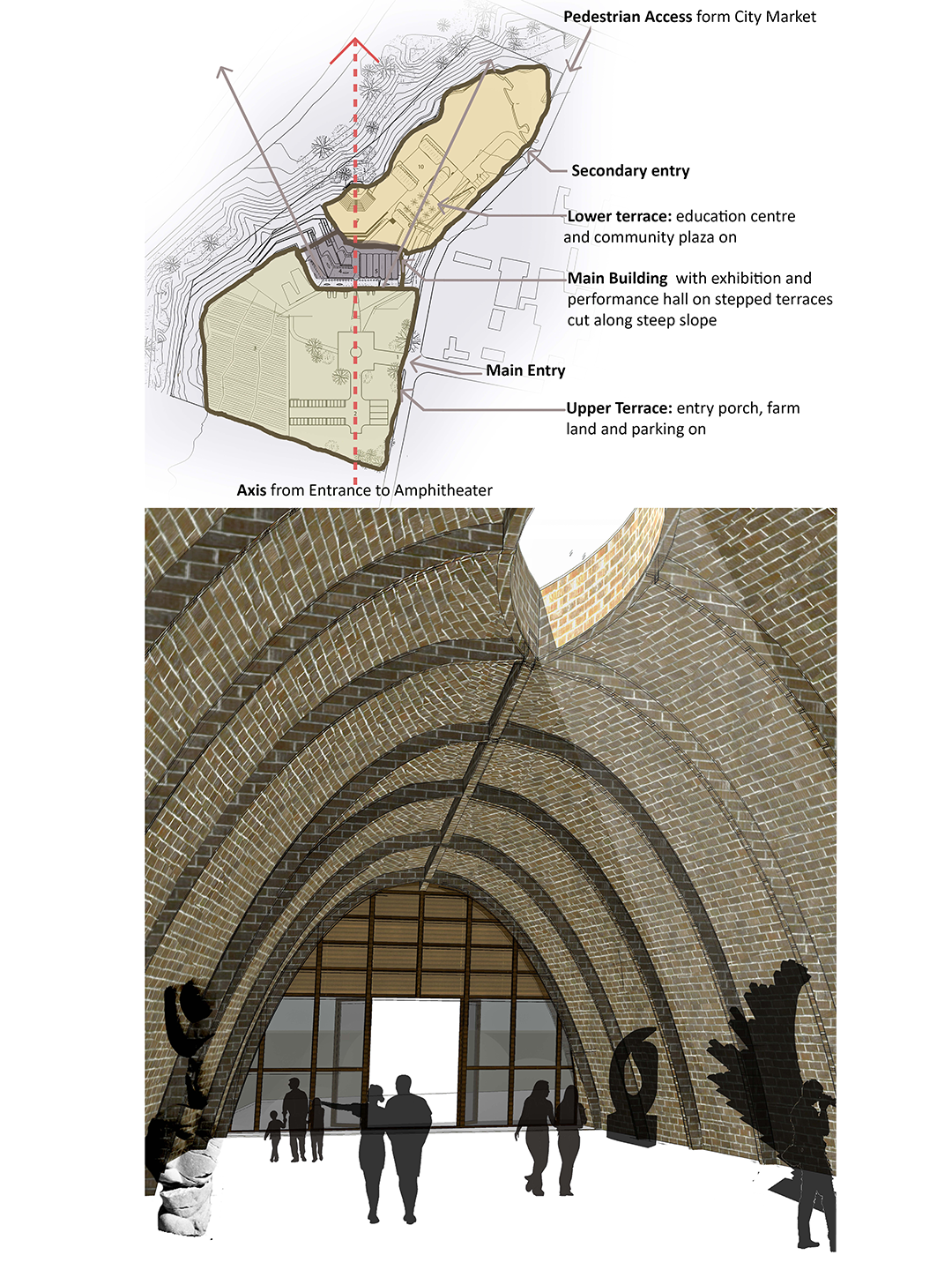
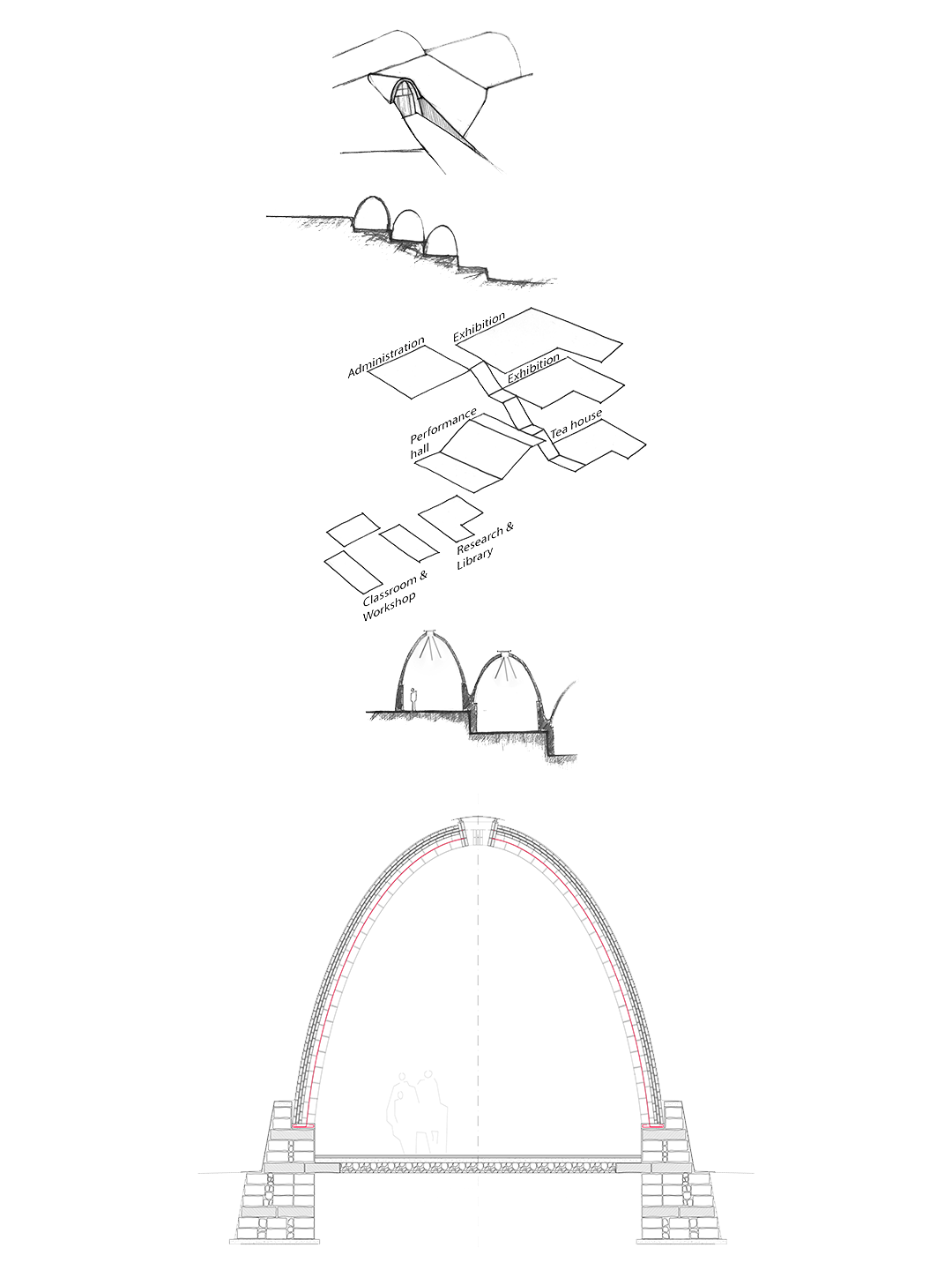
The master plan sets up a sequential walk that follows the hillside's natural slope. Starting from a cave-like entrance, an axial path steps down the hill and ends at a low amphitheatre. The entry building houses exhibitions, while a separate learning centre and a shared library open directly onto wide, sunny outdoor terraces.
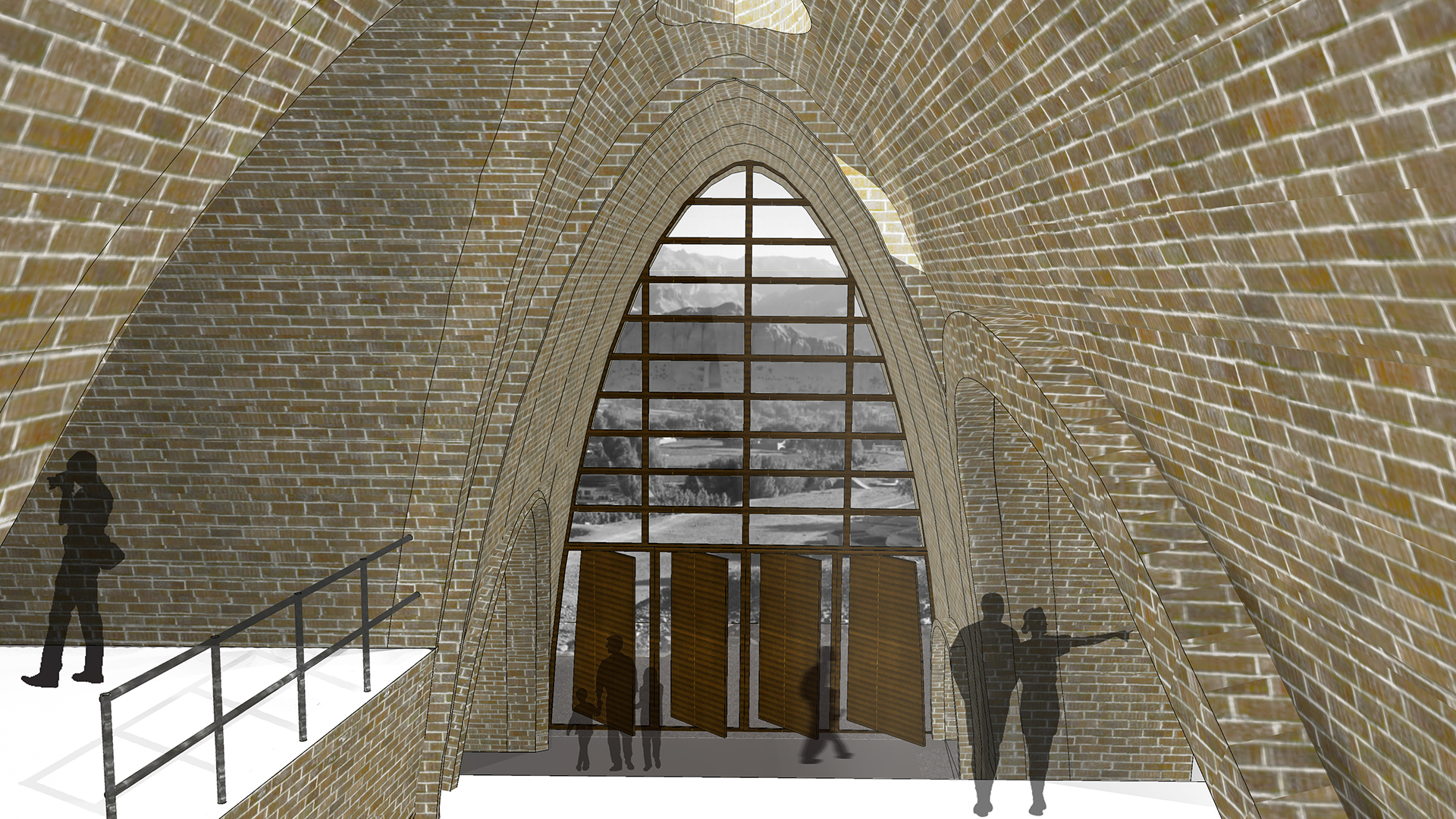
A symbol of hope and reconciliation with the past.
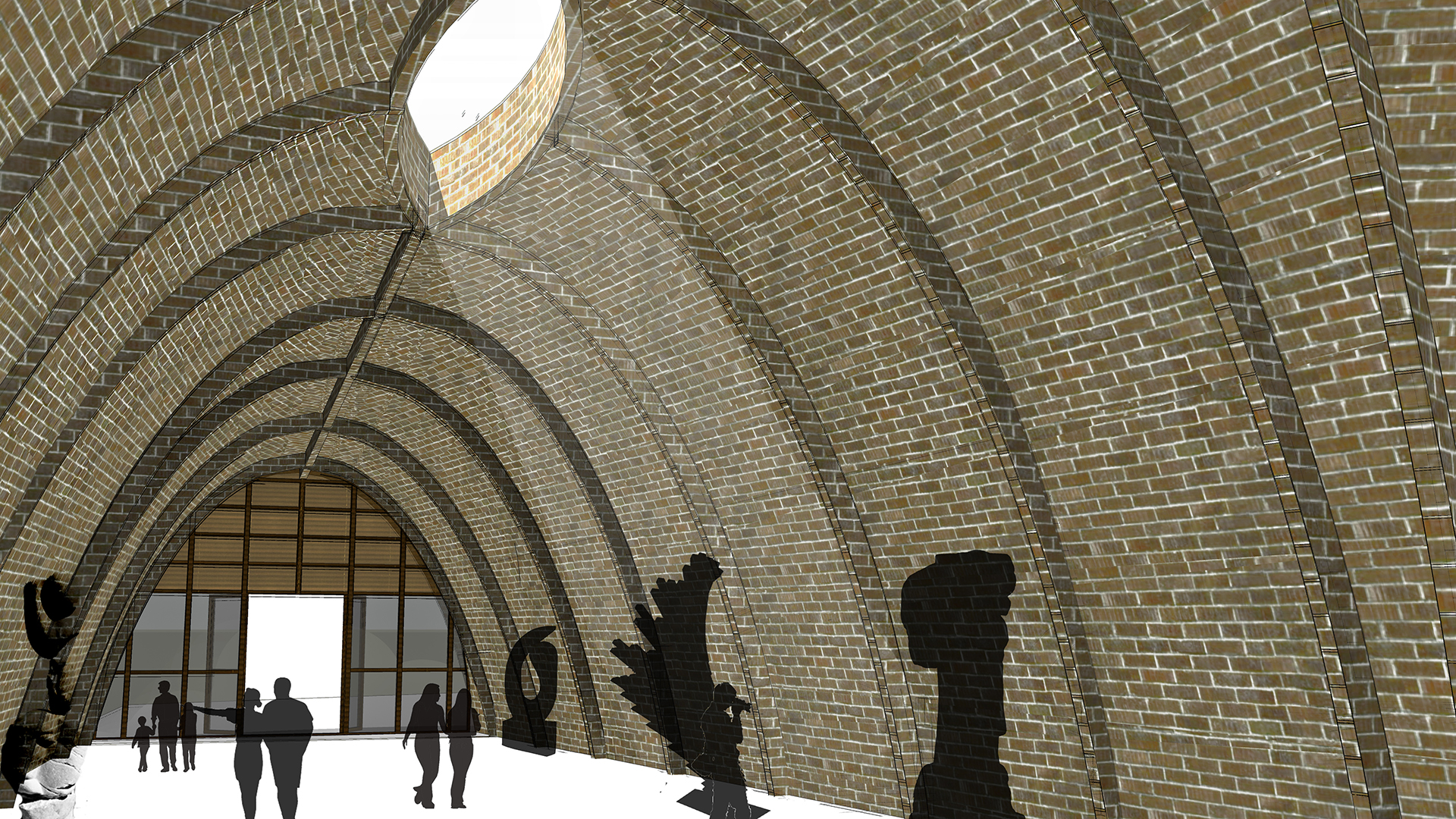
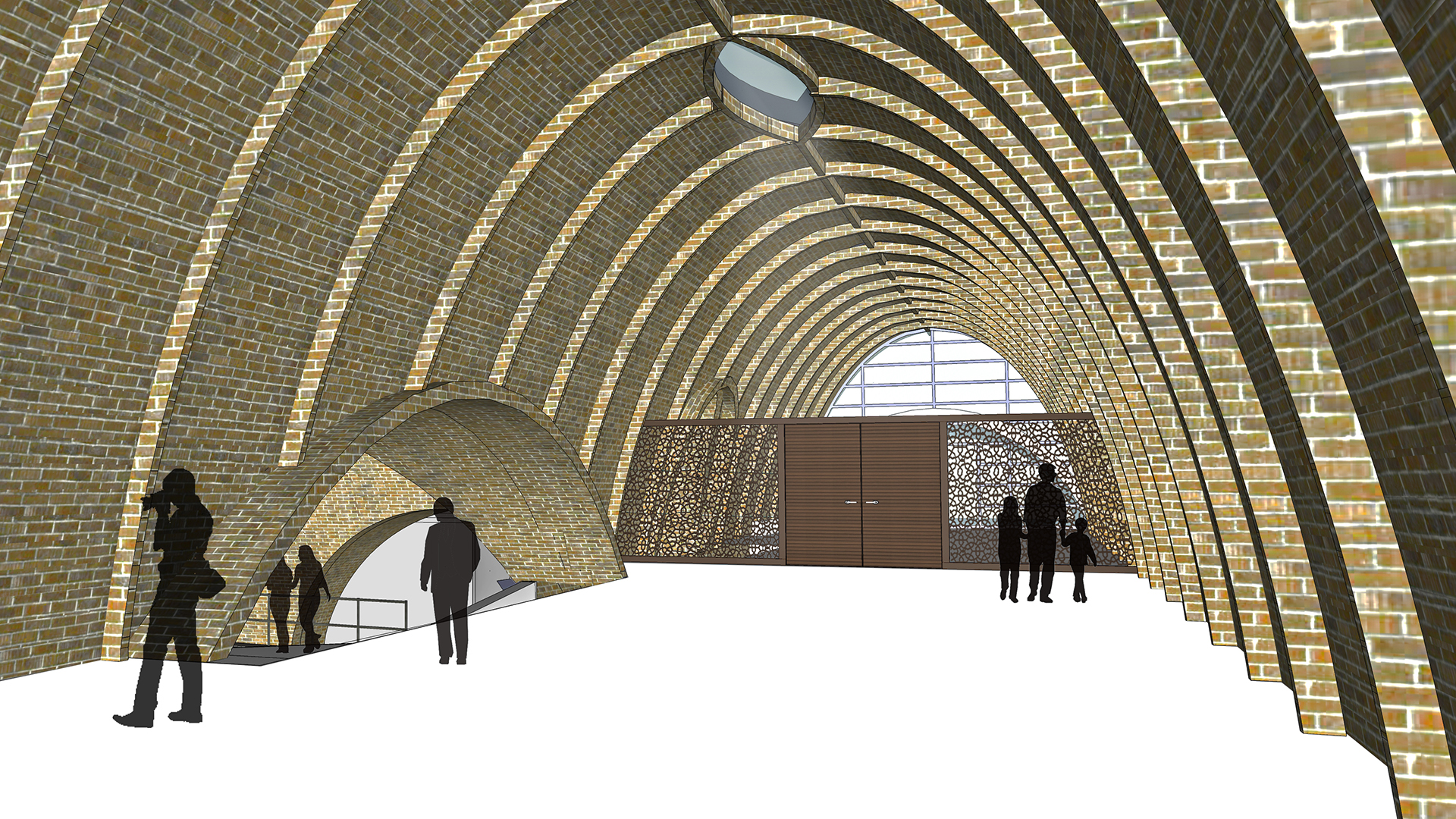
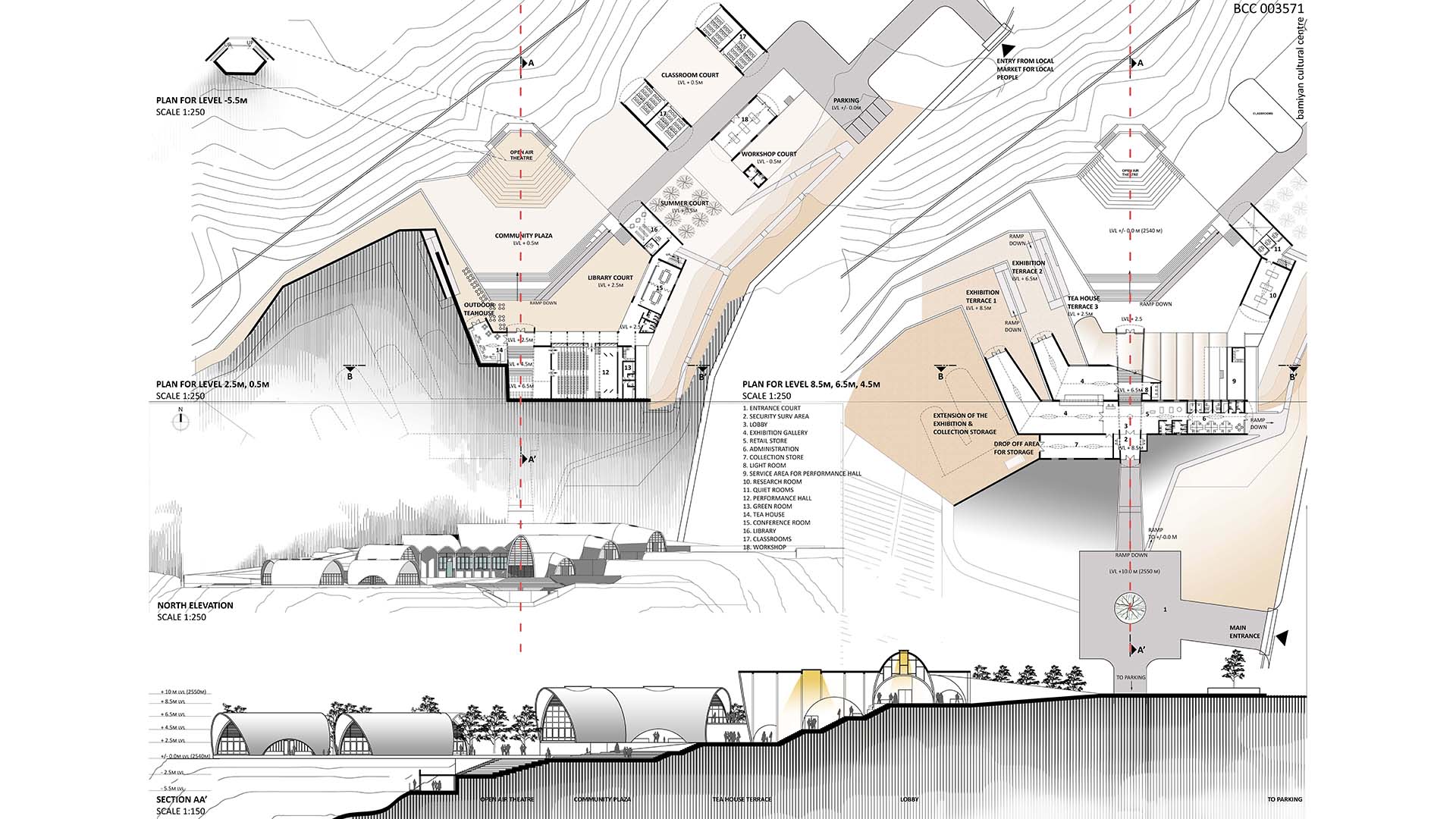
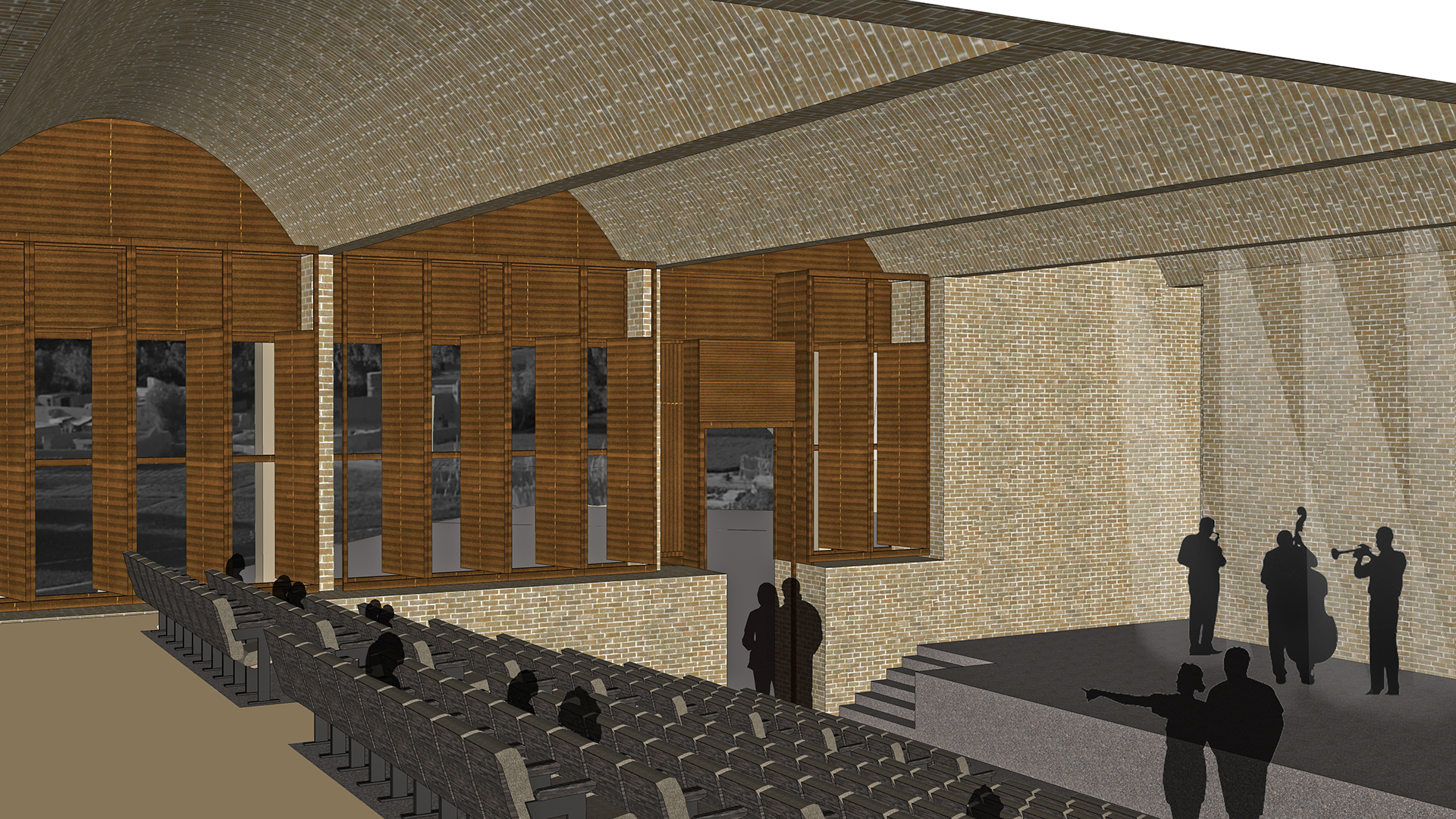
The approach centres on a modern architecture that echoes traditional forms without dominating the monumental valley view. The structures emerge from the ground like low mountains, utilizing mud bricks made straight from the site's soil using local labor. These bricks are crafted into large catenary vaults that create spacious interior halls reminiscent of ancient monuments, filled with natural daylight from clever skylights and huge end-windows. By facing every room south toward the valley and using deep foundations with reinforced concrete ribs, the design frames stunning views of the Bamiyan cliffs while ensuring full safety against regional earthquakes.