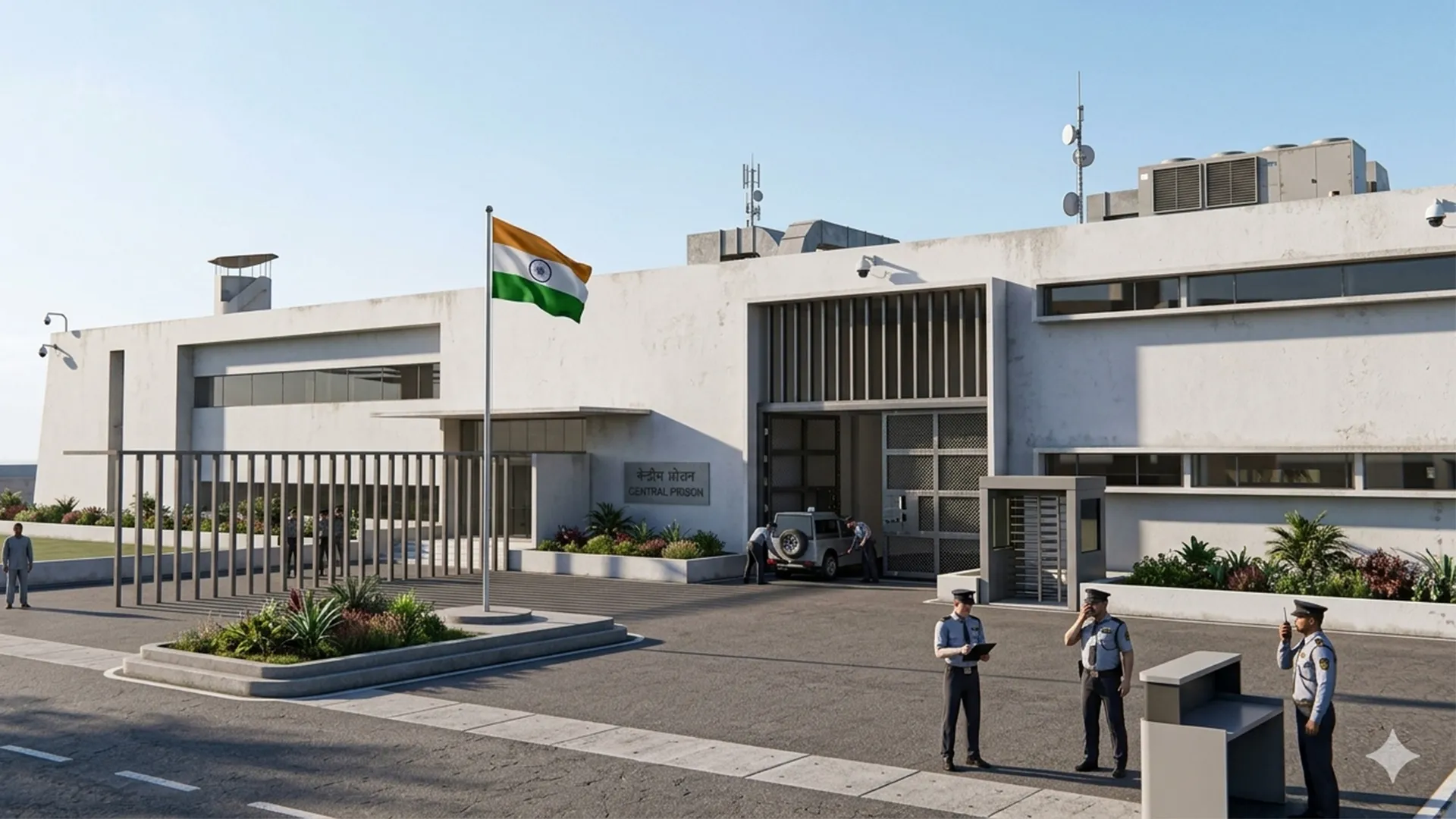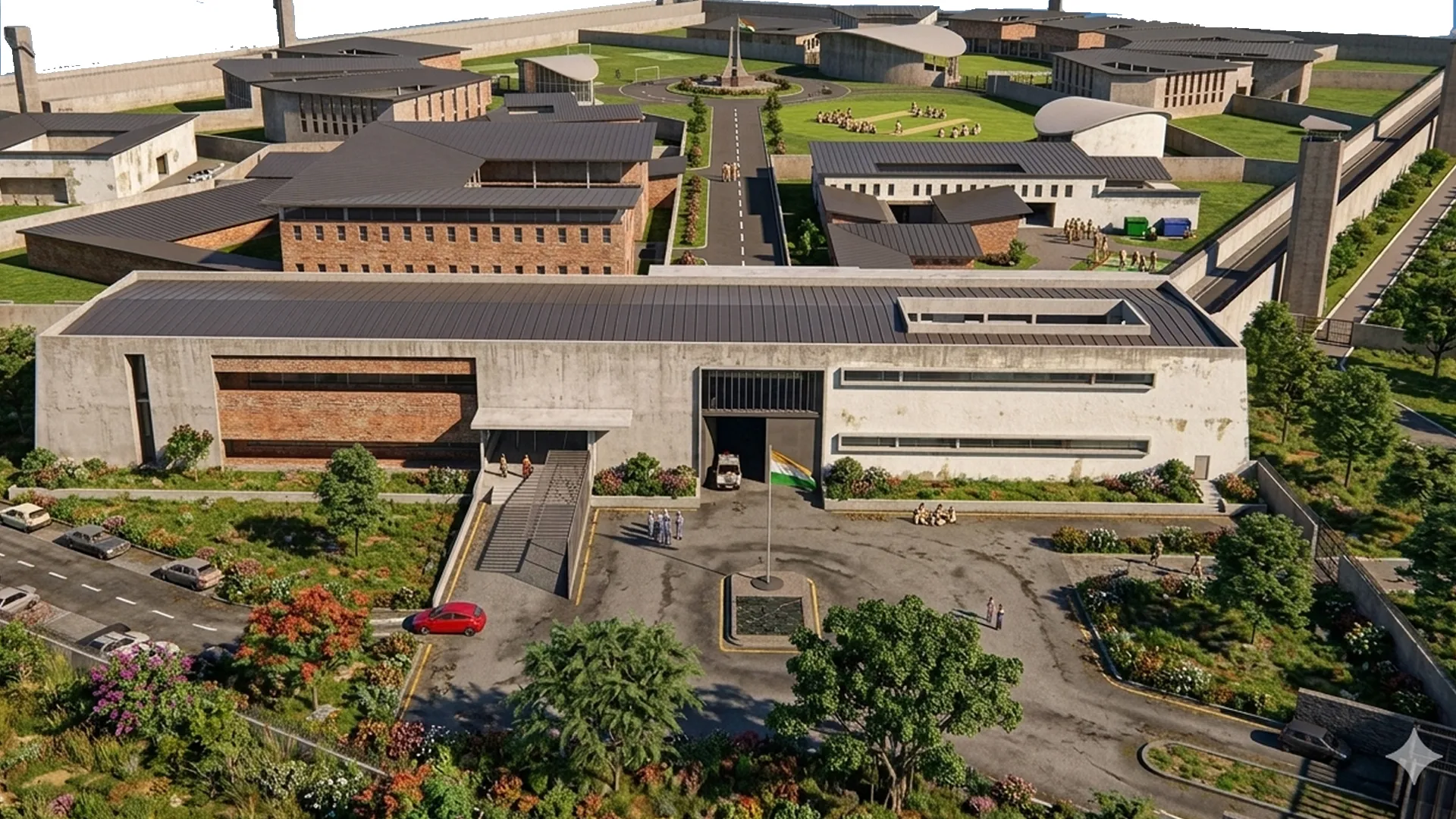
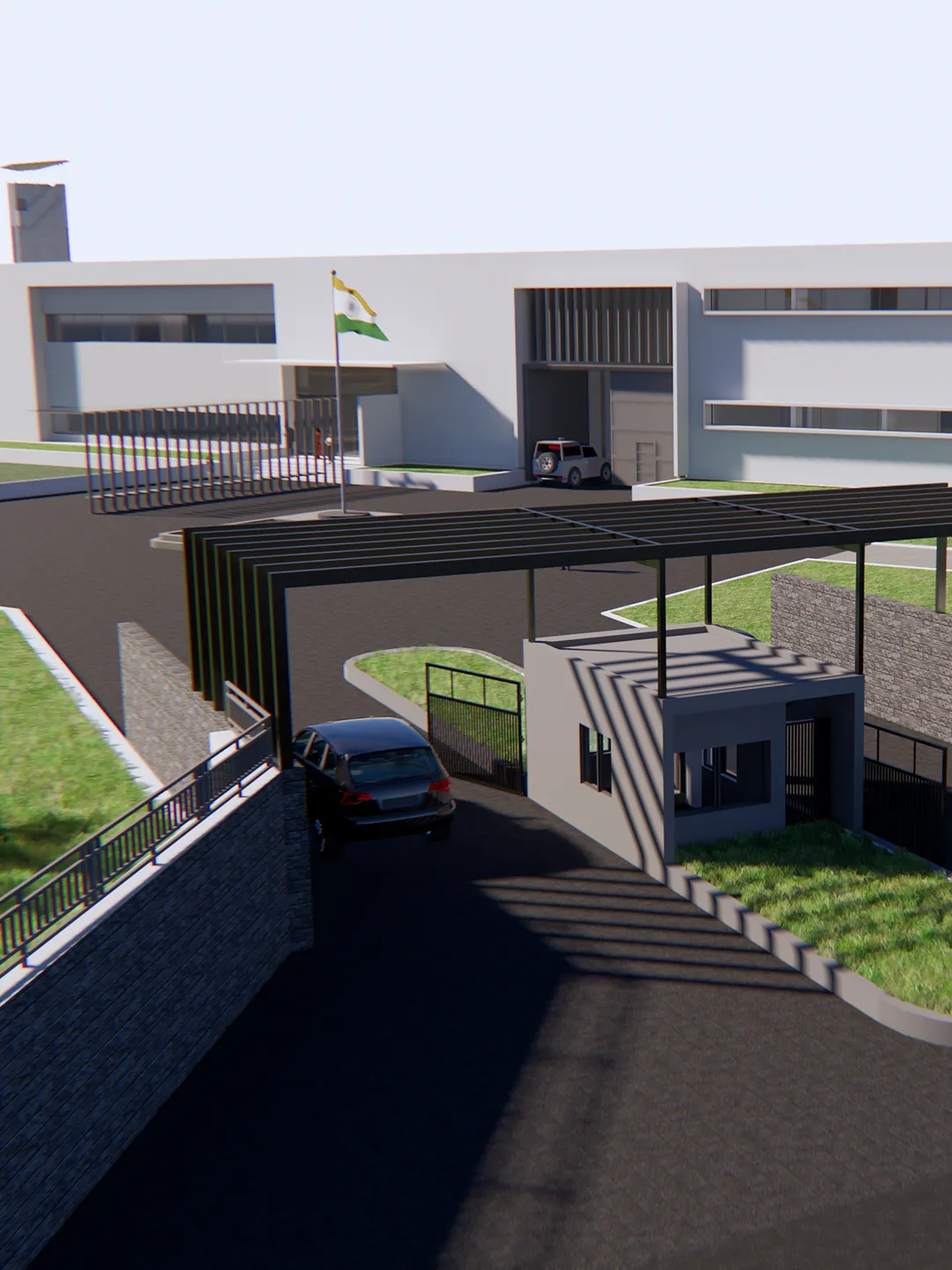
Parivarthan - Central Prison Competition
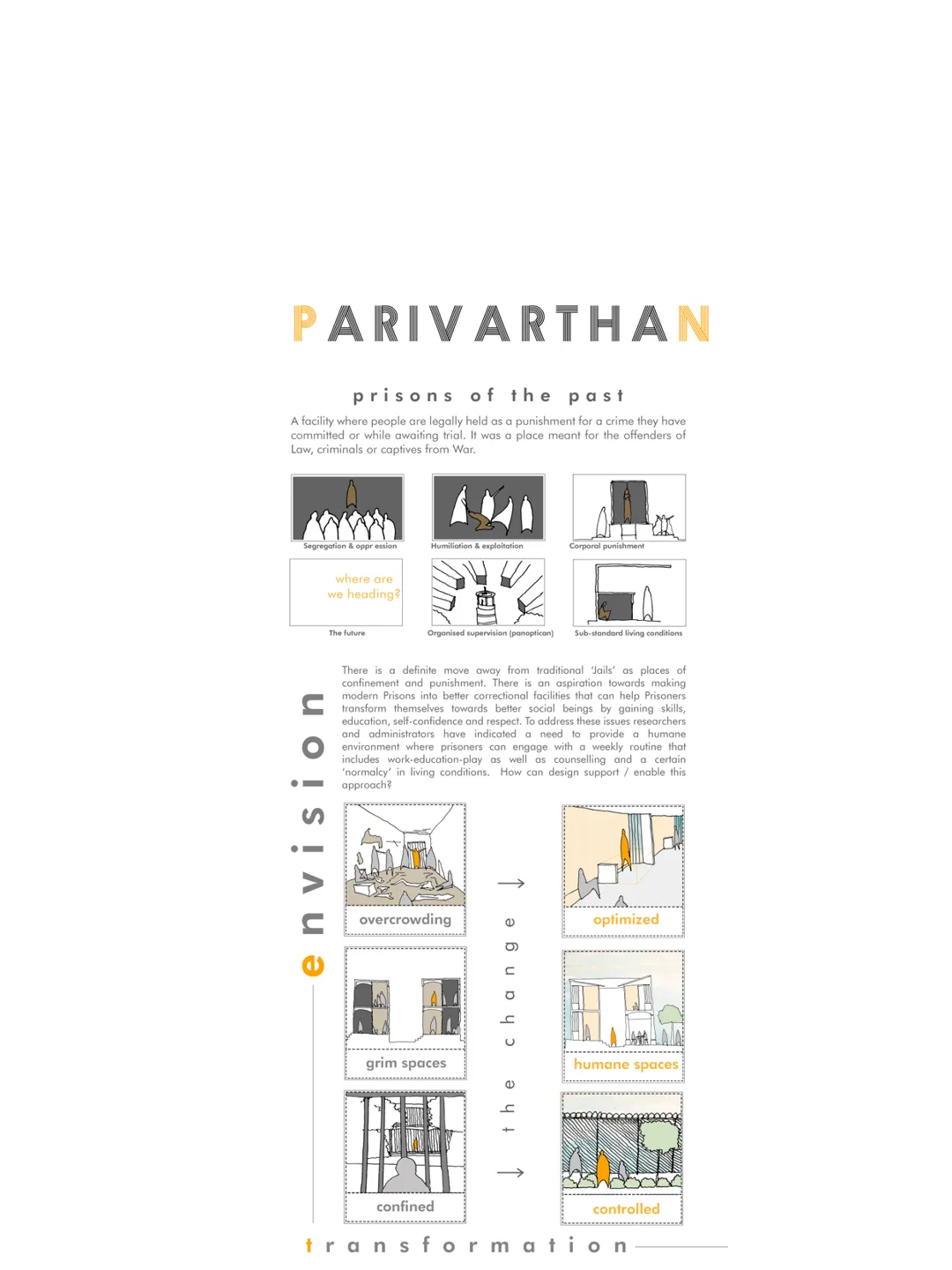
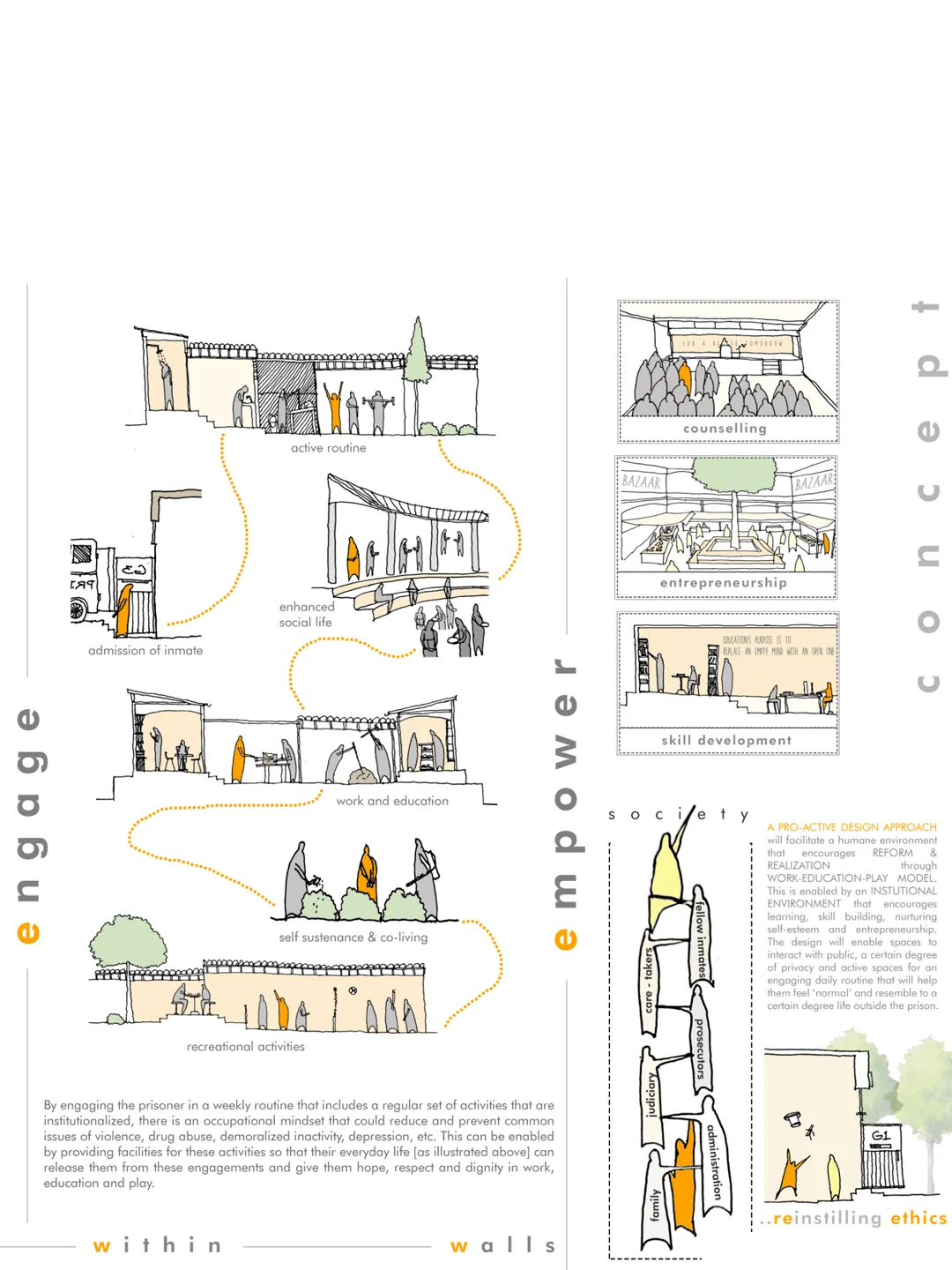
Moving away from traditional custodial "jails," this design creates a standardized, scalable model for modern prisons. By replacing grim, confined spaces with optimized, humane environments, the architecture supports an active daily routine. The layout instills dignity and hope through dedicated zones for skill development, entrepreneurship, and normalized social interaction.
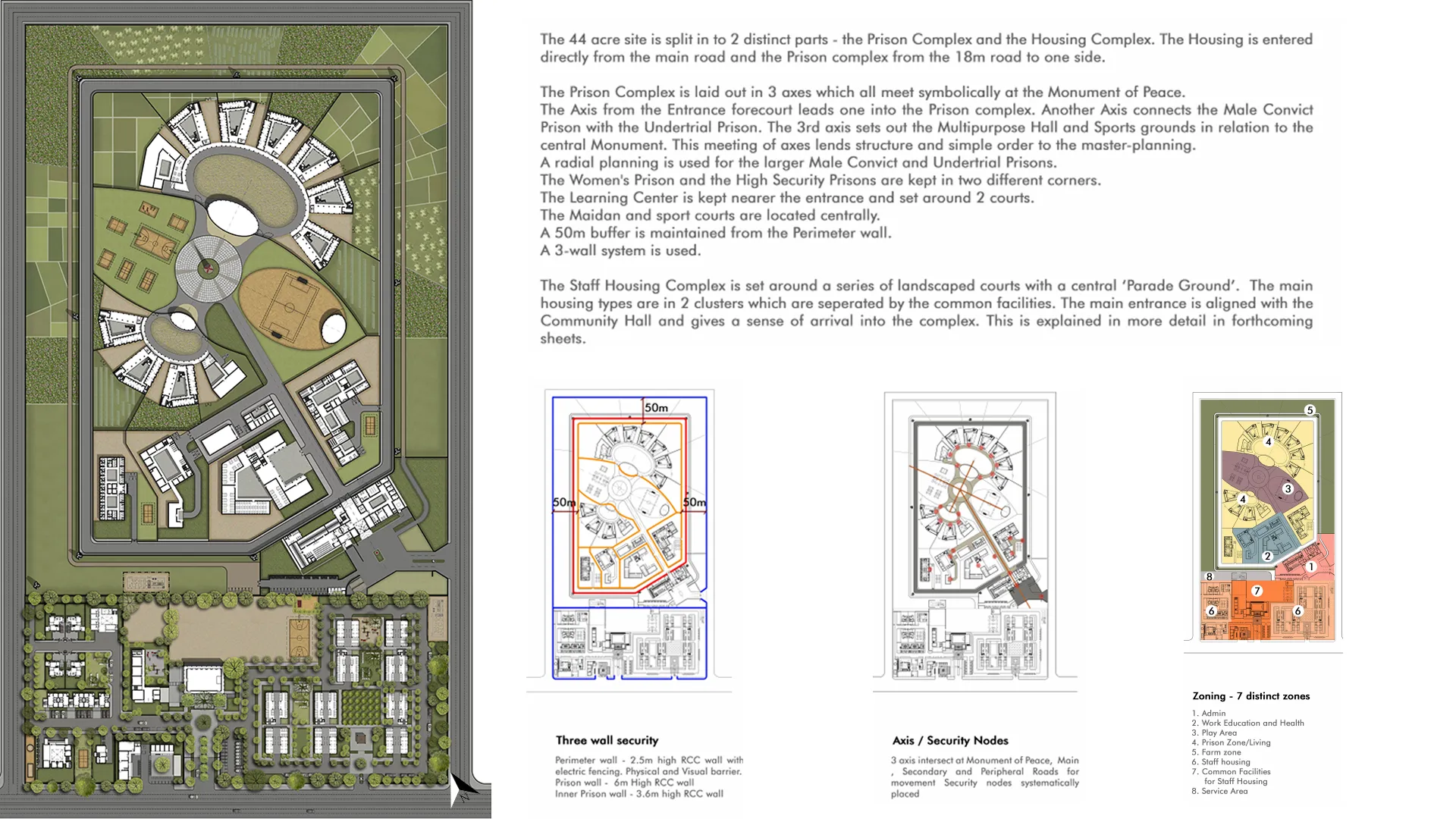
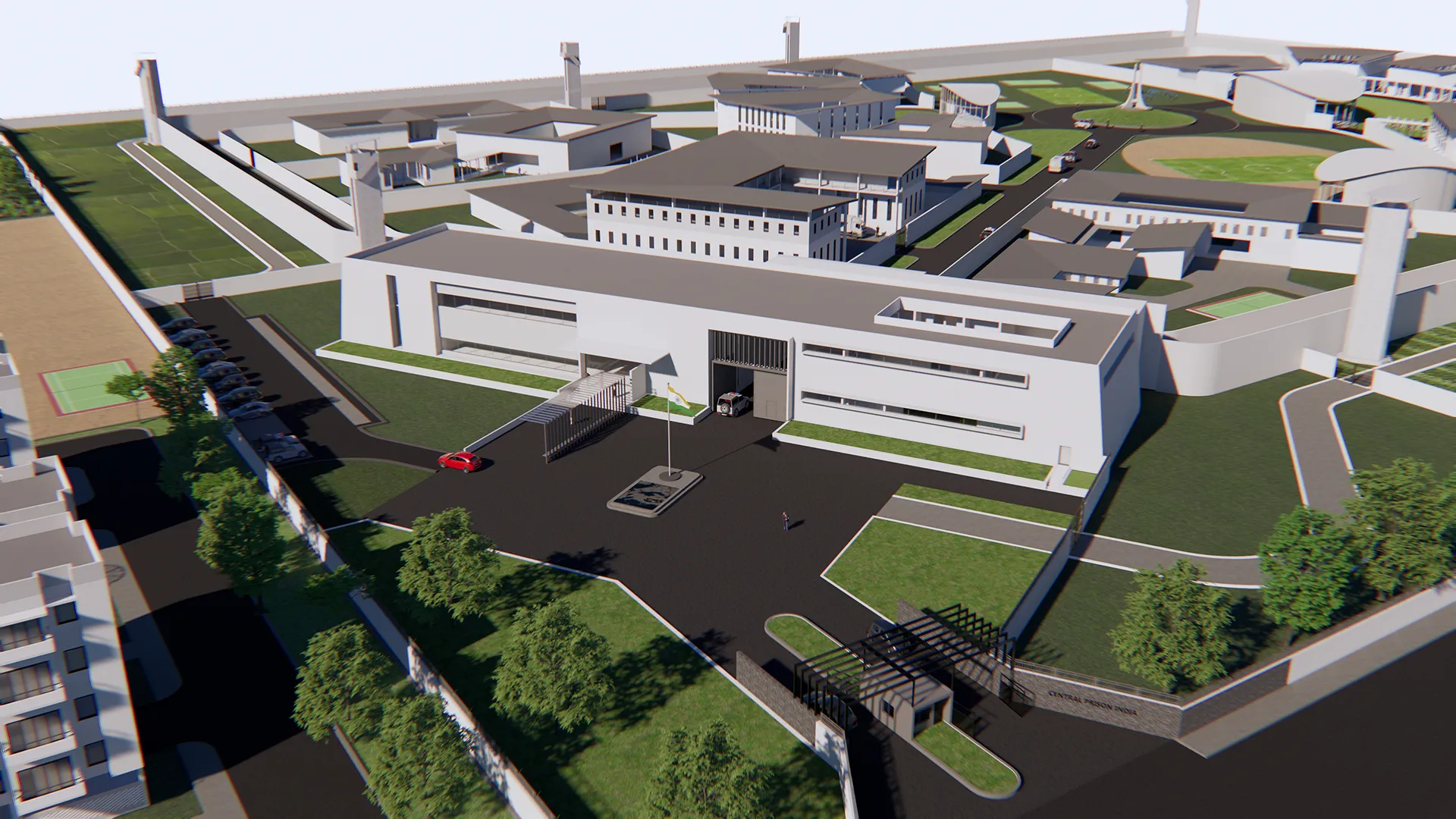
The master plan utilizes a radial hierarchy organized around three primary axes that intersect at a central "Monument of Peace." This structure ensures clear sightlines and easy administration without the oppressiveness of a traditional panopticon. A robust three-wall security system and strategically placed nodes provide safety while maintaining an open, campus-like feel.

A national paradigm shift in correctional design, blending high-security technology with humane, reform-oriented architectural standards.

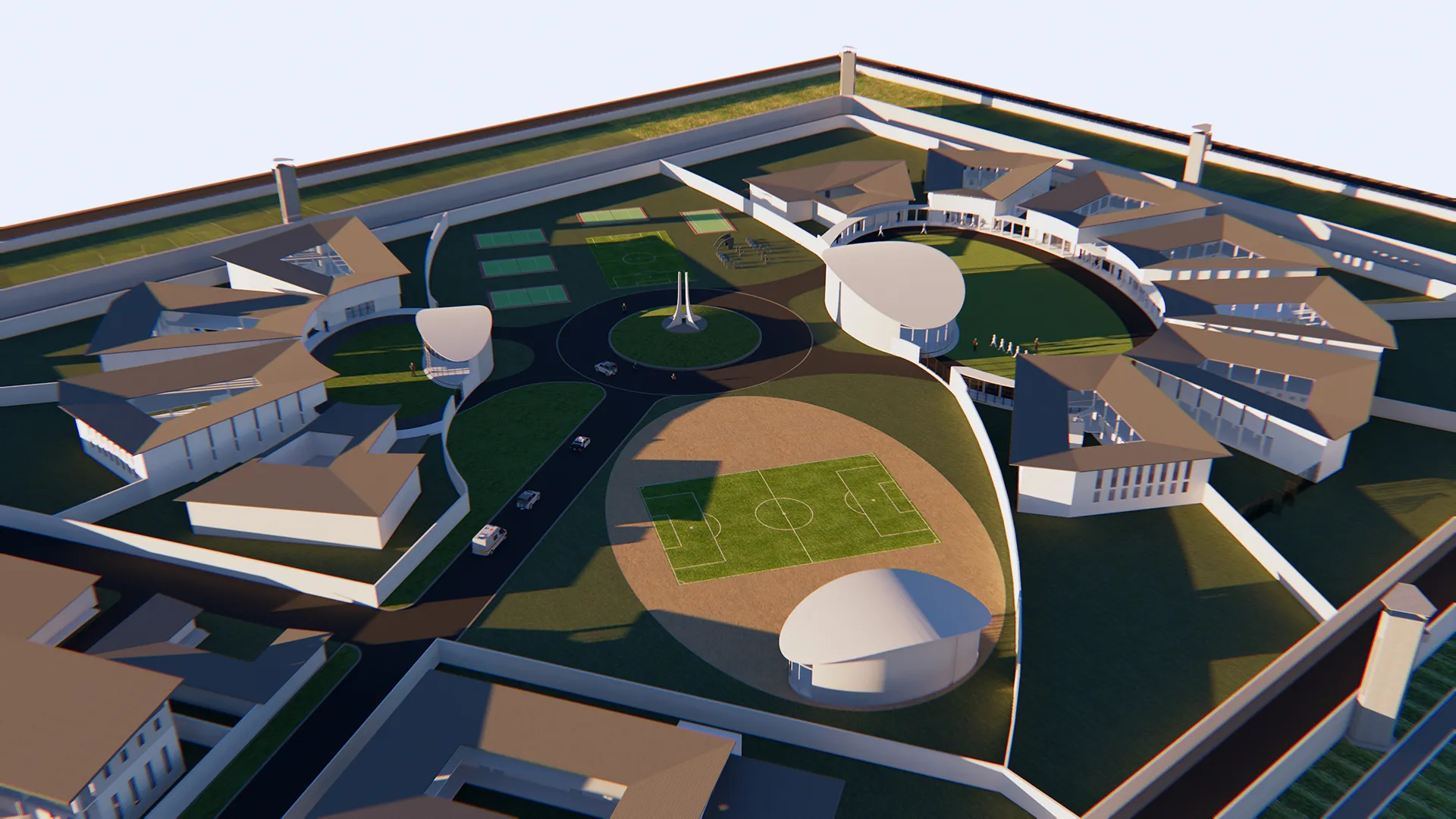
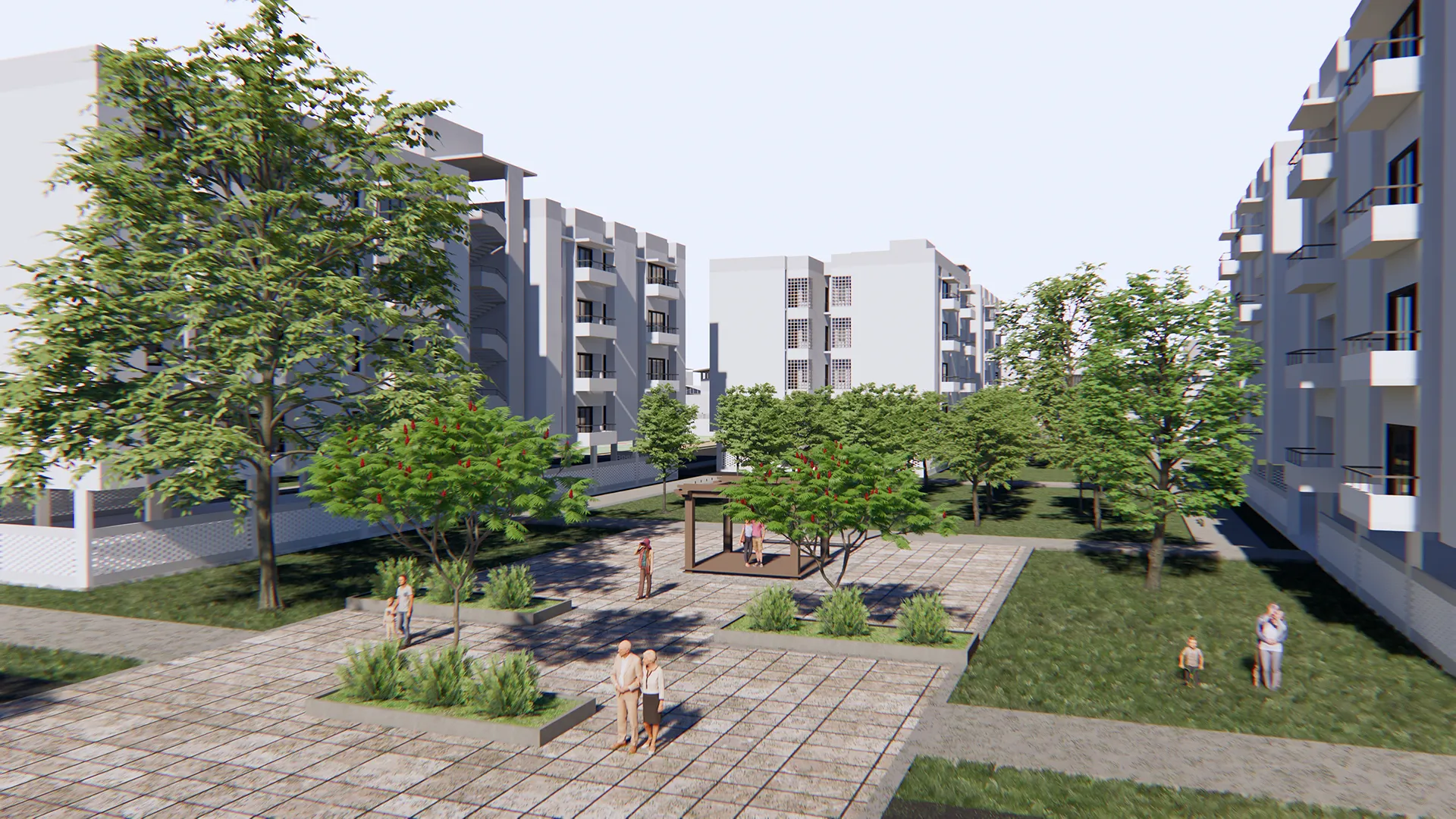
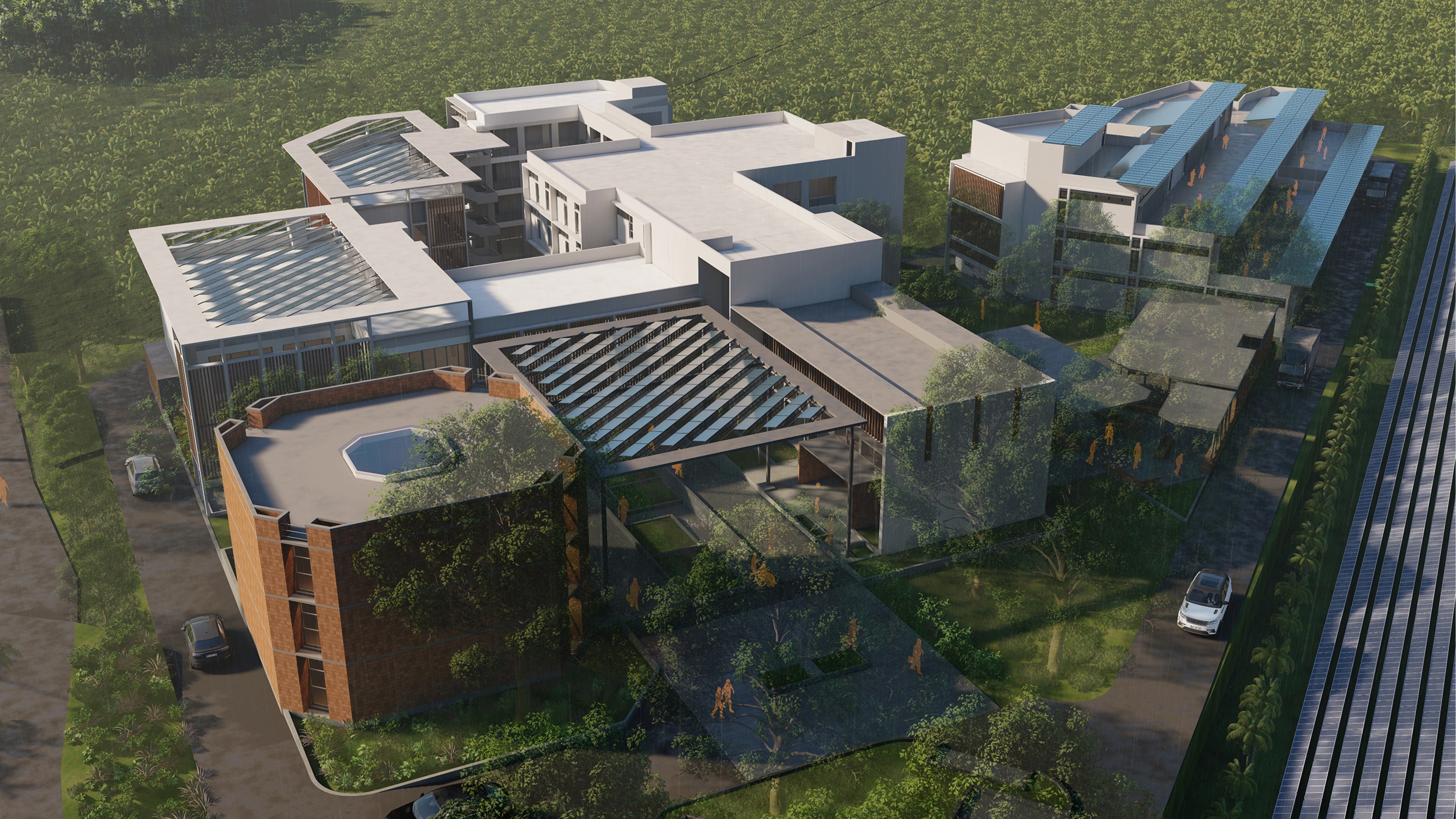
The approach centers on a "Pro-Active" philosophy, where the architecture directly facilitates the Work-Education-Play-Health model of rehabilitation. Instead of keeping people in small, dark cells all day, the design works like a small village. Inmates move through a daily routine—learning new job skills in the Learning Center, playing sports in the open central park, and working on the onsite farm. This regular movement helps people feel more "normal" and prepares them for life after prison.
To keep things safe, the buildings are arranged in a star-shape around a central "Monument of Peace," allowing staff to see everything clearly without the space feeling scary or harsh. The design also uses plenty of fresh air, natural light, and quiet gardens to create a calm environment that encourages healing and positive change.
Structural Ingenuity: The design balances heavy masonry with a lightweight roof structure. Reused wood is supported by "clever" steel structural design, creating a sense of openness and light within the multipurpose and gathering areas.